


In modern industrial operations, the cleaning method chosen for machinery and production assets directly influences productivity, cost control, and compliance with environmental regulations. A poorly matched cleaning technique can increase downtime, elevate operational costs, and even compromise equipment lifespan. As industries push toward higher efficiency and stricter sustainability targets, the debate between Dry Ice Cleaning and Chemical Cleaning has become increasingly relevant.
The central question for plant managers, engineers, and decision-makers is straightforward: Which approach delivers better cost-effectiveness over the long term? To answer this, it is necessary to go beyond surface-level cost comparisons and examine how these methods impact the total economic performance of an industrial facility.
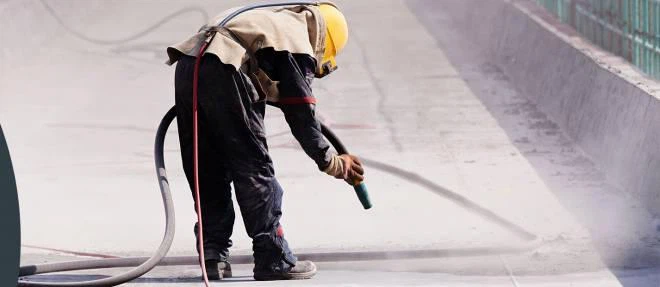
What is Dry Ice Cleaning
Principle and Mechanism
Dry ice cleaning-also referred to as Dry Ice Blasting-relies on a combination of low-temperature embrittlement, kinetic energy, and sublimation. Solid carbon dioxide pellets are accelerated by compressed air and strike contaminated surfaces. Upon contact, the extreme cold causes dirt and residues to contract and weaken, while the impact dislodges them. The dry ice then sublimates instantly into gas, leaving no trace behind.
Cost Structure
The cost profile of dry ice cleaning is distinct. The initial investment is relatively high, since a specialized dry ice cleaning system-including the blasting machine, pelletizer, and compressed air supply-is required. Beyond capital investment, the recurring cost is primarily the purchase of dry ice pellets. Although consumables are not insignificant, they do not entail additional post-cleaning disposal fees, which sets dry ice apart from chemical-based alternatives.
Application Scenarios
Industries with demanding standards benefit most from dry ice cleaning. These include:
- Food and beverage processing, where hygiene and zero chemical residue are non-negotiable.
- Automotive manufacturing and maintenance, particularly in engine carbon cleaning and mold upkeep.
- Electronics and semiconductor fabrication, where delicate surfaces require non-abrasive treatment.
- Energy and power generation, where online cleaning minimizes costly downtime.
Advantages
The strengths of dry ice cleaning are multi-dimensional: no secondary waste, compatibility with online operations, and reduced environmental compliance concerns. Furthermore, its non-abrasive nature protects sensitive surfaces, extending equipment lifespan and enhancing long-term cost-effectiveness.
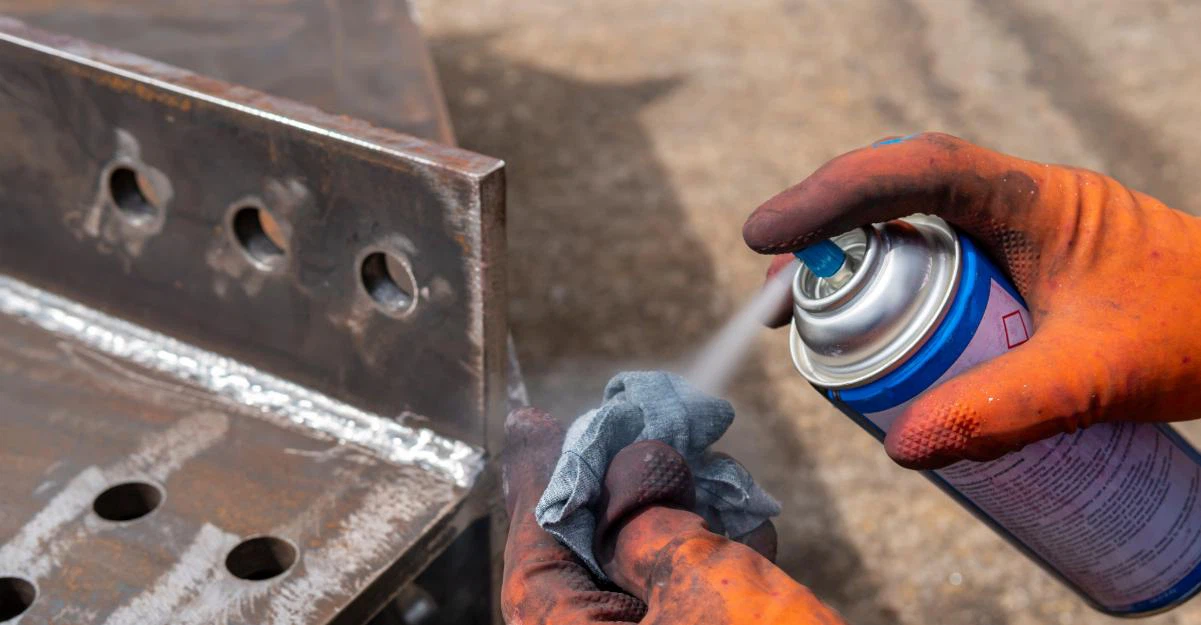
What is Chemical Cleaning
Principle and Mechanism
Chemical Cleaning relies on the reactivity of chemical solvents, acids, or alkalis to dissolve or detach contaminants. By circulating or applying these agents, fouling, scale, or grease is chemically broken down and then flushed away.
Cost Structure
At first glance, chemical cleaning appears more economical due to its low entry cost. Basic setups often require only tanks, pumps, or spray systems, all of which are inexpensive compared to dry ice blasting machines. However, recurring costs can quickly escalate: purchasing solvents, managing hazardous waste, and maintaining compliance with environmental standards all contribute to a higher operating cost over time.
Application Scenarios
- Chemical cleaning remains prevalent in:
- Pipeline descaling in power plants and petrochemical facilities.
- Boiler cleaning, where mineral deposits need chemical dissolution.
- Metal surface preparation, where oxides and coatings must be stripped.
Advantages
Its main appeal lies in its effectiveness against specific contaminant types-particularly heavy scaling and chemical bonds that physical methods struggle to remove. For small-scale or infrequent cleaning tasks, the lower upfront investment makes it attractive, especially for facilities with budget constraints.
Cost and Efficiency Comparison
Initial Investment
Dry ice cleaning systems involve a higher capital outlay, while chemical cleaning requires only basic and relatively inexpensive equipment.
Operating Cost
Dry ice cleaning costs revolve around pellet consumption, equipment maintenance, and compressed air. Chemical cleaning, on the other hand, must factor in solvent purchases, waste treatment, personal protective equipment, and licensing fees for handling hazardous substances.
Downtime and Efficiency
One of the decisive advantages of dry ice blasting is its ability to be performed without dismantling machinery. This drastically reduces downtime and accelerates the cleaning process. In contrast, chemical cleaning typically involves lengthy preparation, application, rinsing, and drying, which can keep equipment offline for extended periods.
Labor and Training
Dry ice cleaning can be carried out with minimal training-technicians typically become proficient after brief instruction. By contrast, chemical cleaning requires strict adherence to safety protocols, as handling corrosive or toxic solvents exposes workers to significant health risks. This adds hidden labor and compliance costs to chemical methods.
Cost Structure Table
|
Cost Category |
Dry Ice Cleaning |
Chemical Cleaning |
|
Initial Investment |
High (specialized equipment) |
Low (basic tanks, pumps) |
|
Consumables |
Dry ice pellets |
Chemical solvents (recurring) |
|
Waste Management |
None (sublimation) |
High (toxic waste, wastewater treatment) |
|
Downtime |
Minimal (online cleaning possible) |
Extended (multi-step process) |
|
Labor Requirements |
Moderate (basic training) |
Higher (safety training, PPE) |
This comparison highlights that while chemical cleaning may appear less expensive at first, dry ice cleaning delivers superior return on investment (ROI) by cutting downtime, avoiding waste disposal costs, and reducing labor overhead.
Impact on Equipment Lifespan and Reliability
Dry Ice Cleaning
The non-abrasive and residue-free nature of dry ice blasting makes it particularly suitable for sensitive equipment. Since the pellets vaporize upon impact, there is no secondary contamination, no abrasive wear, and no risk of chemical corrosion. This translates directly into longer maintenance intervals and extended equipment life. Precision tools, molds, and delicate surfaces in sectors like semiconductors or food production benefit enormously from this gentle yet effective method.
Chemical Cleaning
Despite its effectiveness in dissolving tough deposits, chemical cleaning carries inherent risks. Strong acids and alkalis may corrode metallic components, solvents may attack seals and plastics, and residual chemicals can interfere with lubricants or product quality. Moreover, chemical processes often require heating to accelerate reactions, which can expose equipment to thermal stress and accelerate fatigue. Over time, these factors can shorten the usable lifespan of high-value assets.
Industry-Specific Sensitivities
In industries where corrosion resistance, hygiene, or precision are critical-such as food processing, pharmaceuticals, or electronics-dry ice cleaning offers undeniable advantages. By contrast, chemical cleaning may still hold its place in heavy industries like power generation, where its ability to strip mineral scaling from boilers provides unique value despite its drawbacks.
Environmental and Safety Comparison
When evaluating cleaning methods, eco-friendliness and worker safety have become non-negotiable priorities across industries.
Dry Ice Cleaning
Dry ice cleaning stands out as an eco-friendly cleaning solution. Because dry ice sublimates directly from solid to gas, there is no secondary waste stream-no wastewater, no solvents, and no contaminated rags to dispose of. This makes compliance with environmental regulations straightforward and inexpensive. Moreover, dry ice is non-toxic and non-flammable, posing minimal risk to operators. Basic precautions such as ventilation and cold-handling gear are sufficient to ensure safe operation.
Chemical Cleaning
By contrast, chemical cleaning generates liquid effluents laden with dissolved contaminants and residual solvents. These effluents often qualify as hazardous waste, requiring costly treatment and disposal. In addition, many solvents and reagents are corrosive, flammable, or toxic, posing risks to worker health. Protective equipment, ventilation systems, and rigorous training are mandatory, increasing both operating cost and liability exposure.
Policy and Compliance Trends
Global regulatory frameworks are moving rapidly toward stricter environmental compliance. Restrictions on volatile organic compounds (VOCs), hazardous waste discharge, and workplace exposure limits are tightening year by year. Within this landscape, dry ice cleaning provides a future-proof solution, whereas reliance on chemical cleaning carries escalating risk of penalties, retrofits, and reputational damage.
Industry Applications and Case Studies
The true economic performance of a cleaning method is best revealed in practical applications. Real-world case studies demonstrate how dry ice cleaning and chemical cleaning compare across industries.
Automotive Manufacturing and Maintenance
Dry ice blasting has proven particularly valuable in engine decarbonization and mold cleaning. Unlike chemical soaking, which often requires full disassembly and prolonged downtime, dry ice can clean an engine block in under an hour without dismantling. While the per-cleaning price may appear higher, the savings in labor and downtime far outweigh the difference.
Food and Pharmaceutical Industries
Hygiene and compliance are paramount in food and pharmaceutical environments. Dry ice cleaning eliminates the risk of chemical residue and fully complies with FDA and GMP standards. One dairy producer reported reducing cleaning time by 60% while simultaneously avoiding contamination risks, translating into significant quality cost savings. Chemical cleaning remains common in CIP (clean-in-place) systems, but newer, environmentally safe solvents drive up operational expenses and still require expensive residue validation.
Electronics and Precision Manufacturing
In electronics, even microscopic residues can compromise product quality. Dry ice cleaning excels by removing contaminants without corroding or scratching sensitive components. A semiconductor facility reported tripling the service life of wafer carriers while cutting defective output rates from 5% to less than 1%. Chemical cleaning, though effective in some ionic contamination cases, often leaves behind volatile residues or requires extensive drying, adding risk and inefficiency.
Energy and Heavy Industry
Here the balance is more nuanced. Chemical cleaning can significantly improve the thermal efficiency of boilers and heat exchangers, justifying its use despite the cost. However, dry ice blasting offers a compelling advantage in online cleaning. A chemical plant documented savings of millions by avoiding a three-day shutdown thanks to on-the-fly dry ice cleaning of critical exchangers.
Case Comparison Table
|
Industry |
Dry Ice Cleaning Benefits |
Chemical Cleaning Use Case |
Cost Impact |
|
Automotive |
No disassembly, rapid turnaround |
Small workshops with limited budgets |
Dry ice saves ~35% in total cost |
|
Food & Pharma |
No residue, FDA/GMP compliance |
CIP systems with simple soils |
Dry ice reduces overall cost by 15-25% |
|
Electronics |
Non-abrasive, defect reduction |
Certain ionic contaminant removal |
Dry ice lowers per-unit cleaning cost |
|
Energy & Heavy Ind. |
Online cleaning, avoids downtime losses |
Boiler efficiency enhancement |
Dry ice prevents multi-million losses |
These cases illustrate that while chemical cleaning retains niche applications, dry ice cleaning increasingly dominates where uptime, safety, and compliance are critical.
Investment Returns and Decision Models
A meaningful comparison must look beyond visible costs and adopt a total cost of ownership (TCO) perspective.
TCO Framework
For dry ice cleaning, the TCO includes equipment acquisition, annual pellet consumption, and maintenance, offset by reduced downtime and eliminated waste disposal fees. For chemical cleaning, the model includes solvent costs, hazardous waste treatment, safety equipment, and potential regulatory penalties.
ROI Illustration
Consider a mold manufacturer investing $70,000 in dry ice blasting equipment. By reducing annual chemical solvent purchases by $25,000, lowering mold replacement expenses by $30,000, and avoiding $40,000 in lost production, the investment pays for itself within a single year.
Decision Matrix
Decision-makers can simplify their choice using a matrix:
- Cleaning Frequency: High frequency favors dry ice; low frequency may justify chemical cleaning.
- Downtime Cost: High-cost production lines (> $100/minute) should prioritize dry ice.
- Environmental Compliance: Stricter jurisdictions lean strongly toward dry ice.
- Material Sensitivity: Precision equipment and corrosion-prone alloys require non-abrasive cleaning.
- Soil Type: Some chemically bonded contaminants still call for chemical pretreatment.
This structured approach helps managers align cleaning technology with both operational and financial goals.
Conclusion
The question of whether dry ice cleaning or chemical cleaning is more cost-effective does not yield a universal answer. The choice depends on industry context, contamination type, and regulatory environment. However, when factoring in downtime savings, compliance costs, and equipment longevity, dry ice cleaning consistently proves to be the more sustainable and economically advantageous solution for most modern operations.
For businesses seeking to reduce long-term operating costs while safeguarding productivity and compliance, investing in dry ice cleaning equipment is a strategic move. To explore how dry ice blasting machines can fit your facility's needs, consider scheduling a consultation or on-site demonstration. A tailored assessment can reveal just how much value dry ice cleaning can unlock in your specific production environment.