


Dry Ice Pelletizer
Your professional dry ice equipment supplier
YJCO2 is a specialized manufacturer focused on the intelligent manufacturing equipment sector for dry ice. The company's core business includes the R&D, production, and sales of dry ice pelletizers, block presses, cleaning machines, and supporting equipment, providing integrated solutions from liquid carbon dioxide to finished dry ice. The equipment adopts PLC-based automated control and can flexibly produce high-density dry ice pellets in various specifications ranging from 3mm to 19mm by switching molds. Its products are widely used in industrial cleaning, cold chain preservation, stage special effects, and other fields. Leveraging the supply chain advantages of the Pearl River Delta region, YJCO2 emphasizes in-house core technology development and is committed to delivering stable and efficient integrated dry ice production and application equipment for various industries.
why choose us
The YJ.GB Series Dry Ice Pelletizer combines compact design, intelligent control, and flexible production, making it an ideal choice for efficiently producing high-quality dry ice pellets.
Intelligent Control
Equipped with a built-in PLC automatic control system for easy operation and reliable performance.
01
Flexible Production
Equipped with multiple aperture molds for quick switching, easily producing pellets ranging from 3mm to 19mm in size.
02
Excellent Output
The produced dry ice pellets feature uniform density and a high forming rate, meeting the demanding requirements of various applications.
03
Stable Operation
The unique feeding structure design ensures continuous operation with high stability and efficiency.
04


What is dry ice?
Dry ice is not actually "ice" in the conventional sense, but rather the solid form of carbon dioxide.
The word "dry" in its name accurately describes its most unique property: it does not melt into a liquid. Under atmospheric pressure, dry ice sublimates directly from its solid state into a gaseous state (carbon dioxide gas). This process occurs at an extremely low temperature of -78.5°C. While regular ice (water ice) is the solid form of water, dry ice is the solid form of carbon dioxide.
What is a dry ice pelletizer?
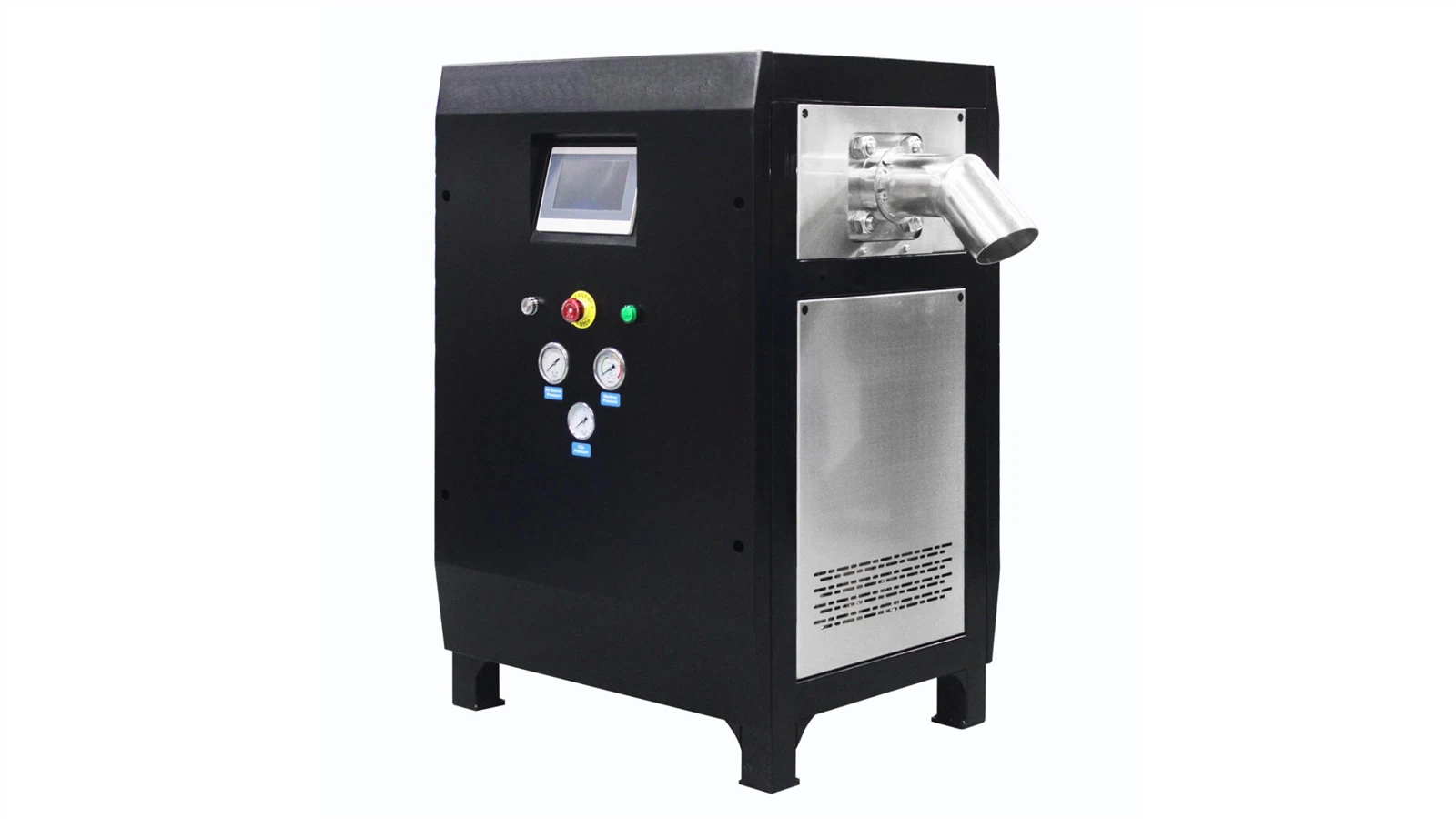
Dry Ice Pelletizer Working Video
Equipment Technical Performance
| products |
|
|
 |
 |
|
|
| Model number | YJ.GB40P | YJ.GB70P | YJ.GB120P | YJ.GB200P | YJ.GB500P | YJ.GB1000P |
| Dry Ice SPEC |
Can produce cylindrical dry ice pellets with diameters of 3mm, 6mm, 9mm, 16mm, and 19mm. |
|||||
| Dry Ice Conversion Rate | 40-45% | |||||
| Dry Ice Density | 1.3-1.45 | |||||
| Working Pressure | 15-25Mpa | |||||
| Voltage | 380V/50-60Hz/3P+PE (220V can be customized) | |||||
| Machine Power | 3.0kw | 4.5kw | 5.5kw | 7.5kw | 15kw | 22kw |
| security level | 40kg/h | 70kg/h | 120kg/h | 200kg/h | 500kg/h | 1000kg/h |
| Fuel Tank Capacity | 50 L | 60 L | 100 L | 150 L | 300 L | 500 L |
| Net Weight | 230kg | 320kg | 650kg | 800kg | 2500kg | 3000kg |
|
Machine Size |
70*64*115cm |
85*70*115cm |
100*75*145cm |
142*100*175cm |
185*150*195cm |
205*170*195cm |
| Gross Weight | 290kg | 380kg | 750kg | 900kg | 2600kg | 3100kg |
| General purpose I/O |
80*75*135cm |
95*80*135cm |
110*85*165cm |
152*110*195cm |
195*160*215cm |
215*180*215cm |

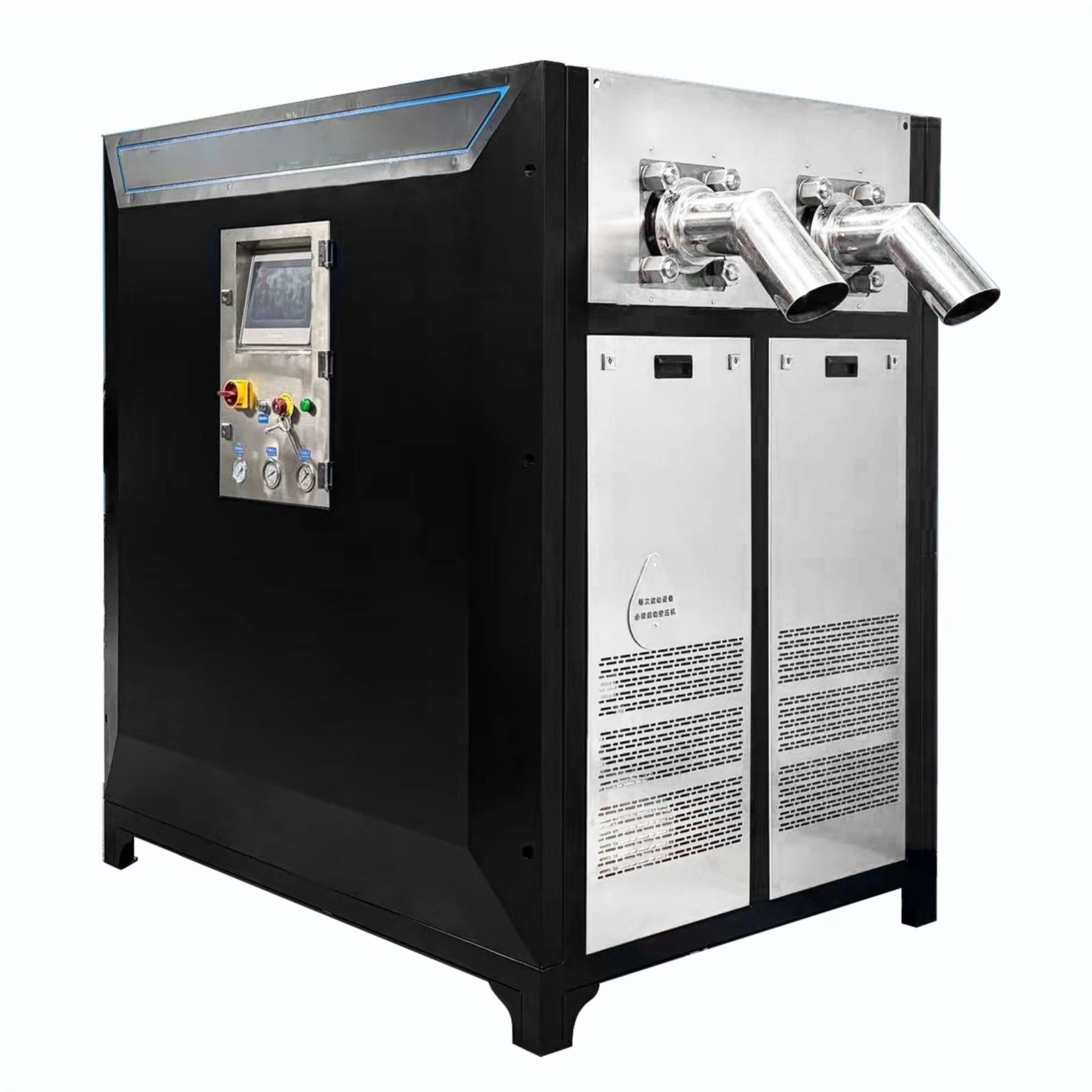
Technical Advantage
- The integrated thickened precision mold is manufactured with high-accuracy boring for the extrusion holes, ensuring excellent wear resistance and long-term use without deformation, which guarantees stable production. A variety of dry ice extrusion die sizes are available to fully meet different production requirements.

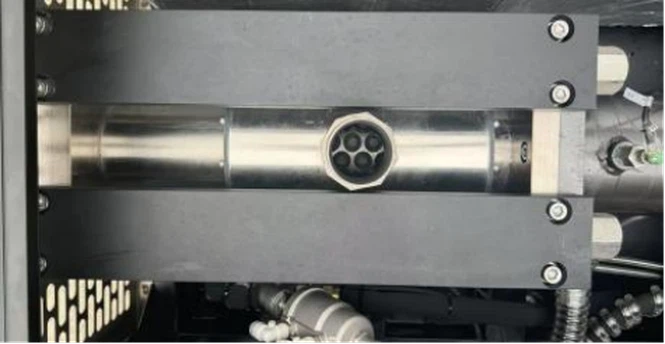
- The extrusion cylinder is made of 316 stainless steel, with a wall thickness 50% greater than that of standard models on the market. It is equipped with precision stainless steel filter plugs, which offer higher filtration accuracy and longer service life compared to conventional brass filter plugs. To withstand the higher pressure after LCO2 is injected into the cylinder, the cylinder body is designed thicker, requiring more than three times the number of filter plugs compared to ordinary machines of the same output. Each filter plug is individually secured with a screw, and an additional sleeve layer is added to the cylinder to fix the plugs. This structural design not only enhances pressure resistance but also captures more CO2 snow, significantly improving the conversion rate of LCO2 into dry ice.
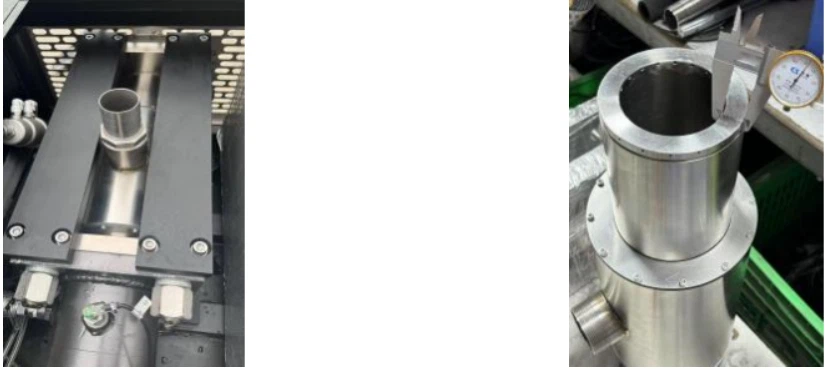
- The reinforced and enlarged cylinder design keeps the working load below 60%, ensuring stable output even during continuous operation.
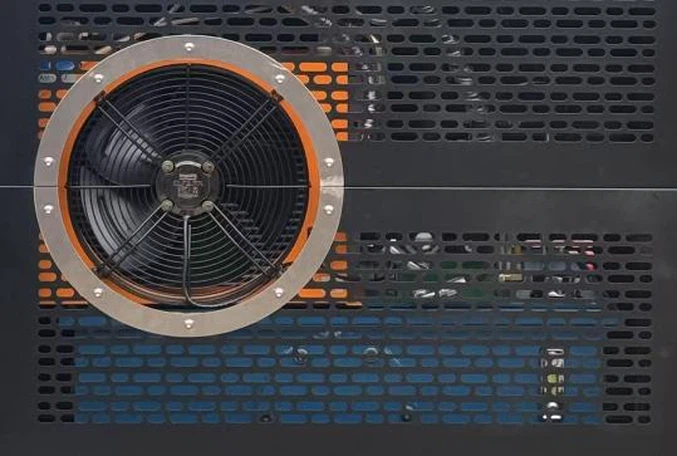
- The oil pump uses a high-precision high-pressure variable displacement piston pump, ensuring stable operation and a smooth load curve. The motor and directional valve group are all selected from first-class brands, and each model is equipped with an oil cooler. The pump station features an integrated design, suitable for long-term stable operation.
- All electronic components are selected from first-class brands, and the distribution cabinet is arranged neatly and logically, ensuring stable operation of the equipment.

Factory Standard
| Serial Number | Product Name | Quantity | Products |
| 1 | Dry ice pelletizer | 1 unit |
|
| 2 | Standard extrusion dies with apertures of 3mm, 6mm, 9mm, 16mm, and 19mm(optional, select one) | 1 pcs |
|
| 3 | High pressure cryogenic ball valve | 1 pcs |
|
| 4 | 3m high-pressure low-temperature resistant liquid CO2 delivery hose | 1 pcs (3 m) |
|
| 5 | Sealing ring | 1 pcs |
|
| 6 | Ice outlet elbow | 1 pcs |
|
| 7 | Ice scraper | 1 pcs |
|
| 8 | Anti-freezing gloves | 1 pcs |
|




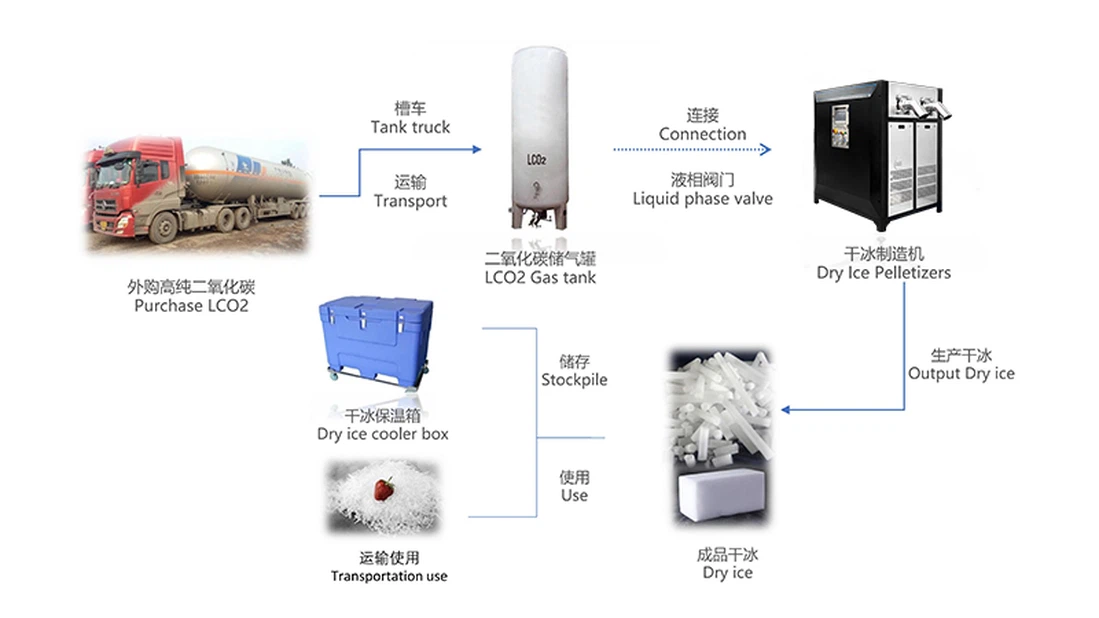
Dry Ice Production System
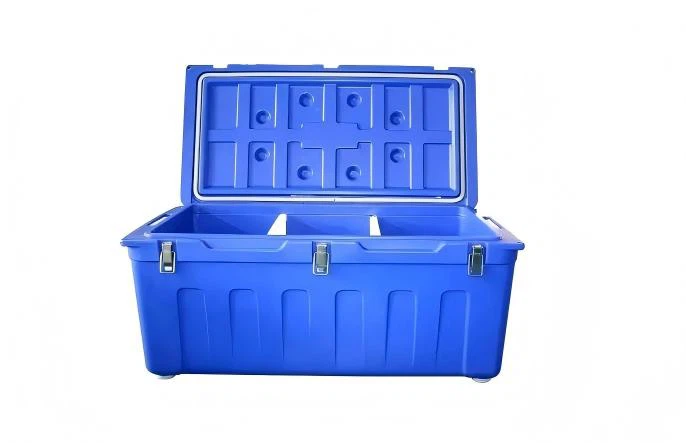
Dry Ice Storage Requirements
We recommend using a dedicated dry ice insulation box or a -86°C ultra-low temperature cabinet. The daily evaporation rate of dry ice in a storage box is 5% to 10%. The daily evaporation rate of dry ice in an ultra-low temperature cabinet is less than 0.6%.

RFQ
As one of the most professional dry ice pelletizer manufacturers and suppliers in China, we're featured by quality products and good price. Please rest assured to wholesale cheap dry ice pelletizer in stock here from our factory.