


Metal parts rarely leave a machining process in perfect condition.
After drilling, milling, laser cutting, punching, or welding, small raised edges remain on the surface. These edges are called burrs. Some are barely visible. Others are sharp enough to cut gloves, interfere with assembly, damage seals, or shorten the service life of a component.
In high-volume manufacturing, burrs are not just a cosmetic issue. A small internal burr inside a hydraulic valve body can restrict flow. A rough edge on a medical component can fail inspection. Burrs left on battery trays or electrical housings can create wear points and vibration problems months later.
That is why deburring matters.
This article breaks down the five most widely used deburring methods, where they work, where they fail, and how manufacturers usually choose between them.
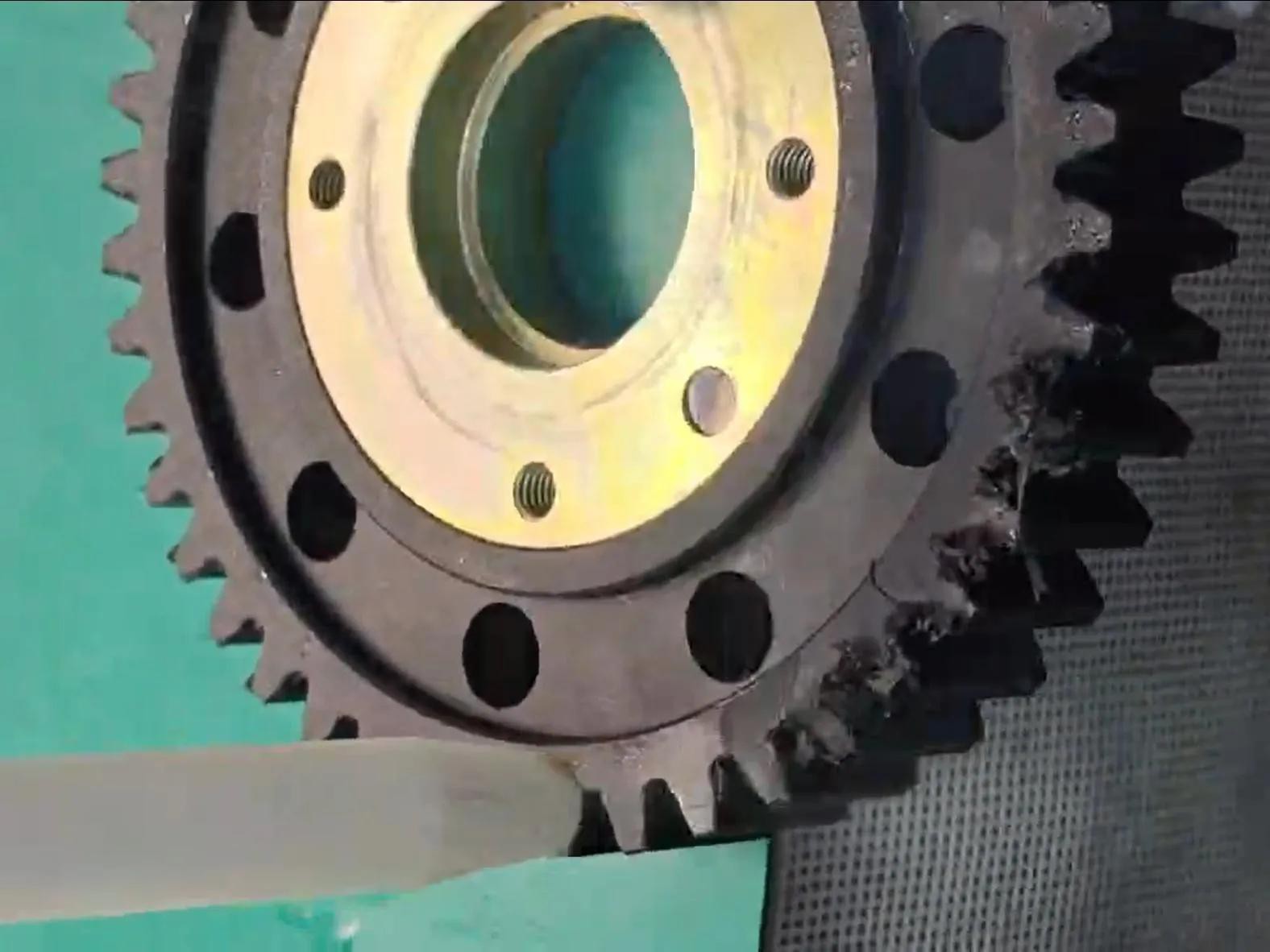
What Is Deburring and Why Does It Matter?
Deburring is the process of removing unwanted raised edges, sharp protrusions, or residual material left after machining or fabrication.
These burrs form during:
- CNC machining
- Drilling
- Milling
- Laser cutting
- Plasma cutting
- Punching
- Welding
- Stamping
Most burrs appear where a cutting tool enters or exits the material. Softer metals like aluminum often deform and smear. Harder alloys tend to fracture and leave sharp edges.
Common Problems Caused by Burrs
A burr only a few tenths of a millimeter high can still create production problems.
Typical examples include:
- O-rings damaged during assembly
- Powder coating failures along sharp edges
- Bearing wear caused by loose metallic fragments
- Electrical shorts inside housings
- Poor fit between mating components
- Operator injuries during handling
In automotive production, burrs inside transmission valve bodies can affect oil flow consistency. In electronics manufacturing, even tiny metal fragments can contaminate sensitive assemblies.
The smaller the part tolerance becomes, the more dangerous burrs become.
What Causes Burrs During Manufacturing?
Different manufacturing processes create different burr characteristics.
|
Manufacturing Process |
Typical Burr Type |
|
Drilling |
Exit burrs around holes |
|
Milling |
Edge burrs along cut paths |
|
Laser Cutting |
Heat-affected rough edges |
|
Punching |
Sheared edge burrs |
|
Welding |
Weld splatter and excess material |
|
Turning |
Burrs at tool exit points |
Tool wear also matters.
A dull cutting tool generates more friction and deformation, which usually means larger burrs and rougher edges. Feed rate and cutting speed also influence burr formation. Faster is not always cleaner.
Common Burr Types and How They Affect Method Selection
Not all burrs behave the same way.
Some break away easily. Others remain tightly attached to the workpiece and require aggressive removal methods.
Edge Burrs, Hole Burrs, and Internal Burrs
These are the most common burr types in industrial production.
Edge Burrs
Found along cut edges after milling, shearing, or stamping.
Usually easy to remove mechanically.
Hole Burrs
Appear around drilled or punched holes.
Common in sheet metal fabrication and CNC machining.
Internal Burrs
Located inside channels, cross holes, or internal passages.
These are much harder to remove because physical access is limited.
Thermal deburring and electrochemical deburring are often selected specifically for internal burr removal.
Weld Burrs, Hot Burrs, and Feather Burrs
Weld Burrs
Created by excess material during welding.
Often irregular and difficult to remove uniformly.
Hot Burrs
Typical in laser cutting and plasma cutting due to molten metal solidification.
Feather Burrs
Thin, sharp protrusions caused by shearing or soft material deformation.
These are common in aluminum machining and thin-gauge materials.
The burr type often determines the process before the material does.
The 5 Best Deburring Methods Explained
1. Manual Deburring
Manual deburring is still widely used because it is cheap to start and flexible for small production runs.
Operators use hand tools such as:
- Files
- Scrapers
- Abrasive pads
- Rotary blades
- Sanding wheels
This process works well for prototypes, repair work, or low-volume production where automation is not justified.
A skilled operator can selectively remove burrs without affecting the rest of the part.
That is the advantage.
The downside is consistency.
Two operators rarely produce identical results over long production shifts. Manual deburring also becomes expensive once labor hours increase.
A factory producing 5,000 machined aluminum housings per day cannot rely on hand deburring for long.
Best For
- Prototype machining
- Small batch production
- Simple geometries
- Localized burr removal
Main Limitations
- Labor intensive
- Difficult to standardize
- Slower production speed
- Operator-dependent quality
2. Mechanical Deburring
Mechanical deburring is the most common solution in industrial production.
This category includes:
- Vibratory finishing
- Tumbling
- Abrasive belt systems
- Rotary brushing
- Automated edge rounding machines
The goal is simple: remove burrs quickly and consistently at scale.
In sheet metal fabrication, wide belt deburring systems can process hundreds of laser-cut parts per hour. In automotive production, robotic brushing systems are often integrated directly into automated production cells.
Mechanical deburring is efficient because it scales well.
But it is still an abrasive process.
That matters.
Aggressive abrasive media can round edges, alter dimensions, or damage coatings. Thin aluminum parts may warp under excessive pressure. Delicate machined surfaces can lose tolerance.
For structural parts, this is usually acceptable.
For precision sealing surfaces or optical components, it may not be.
Best For
- High-volume production
- Steel and aluminum fabrication
- Laser-cut sheet metal
- Automated manufacturing lines
Main Limitations
- Abrasive wear on surfaces
- Media consumption
- Dust generation
- Possible dimensional changes
3. Thermal Deburring
Thermal deburring removes burrs using a controlled combustion process inside a sealed chamber.
A mixture of oxygen and fuel gas ignites around the workpiece. The burrs burn away almost instantly because they have far less mass than the base material.
The process usually takes milliseconds.
Thermal deburring works especially well for:
- Cross-drilled holes
- Internal passages
- Complex castings
- Hydraulic components
These are areas where mechanical tools cannot easily reach.
A common example is automotive valve blocks with intersecting oil channels. Removing internal burrs manually would be nearly impossible at production scale.
Thermal deburring solves that problem quickly.
The process does come with tradeoffs.
Equipment cost is high. Surface oxidation may occur. Some materials are not suitable due to heat sensitivity.
Best For
- Internal burrs
- Hard-to-reach geometries
- Multi-surface deburring
Main Limitations
- High capital cost
- Heat-related oxidation
- Limited material compatibility
4. Electrochemical Deburring
Electrochemical deburring uses controlled electrolysis to dissolve burrs from conductive metal surfaces.
The burr becomes the target area for anodic dissolution while the main workpiece remains mostly unaffected.
This process is extremely precise.
It is commonly used in:
- Aerospace components
- Medical devices
- Fuel injection systems
- Turbine parts
Electrochemical deburring is often selected when burr removal must happen without mechanical stress.
For example, tiny burrs inside surgical instruments or fuel nozzles may be impossible to remove safely using abrasive methods.
The process is highly controllable, but it is not simple.
Electrolyte handling, tooling design, and process monitoring all require experience. Chemical waste management also adds operational complexity.
Best For
- Precision components
- Tight tolerance parts
- Difficult internal geometries
Main Limitations
- Electrolyte disposal requirements
- Higher process complexity
- Limited to conductive materials
5. Dry Ice Deburring / CO₂ Blasting
Dry ice deburring uses compressed air to accelerate dry ice particles toward the workpiece surface.
When the particles strike the burr or contamination layer, three things happen almost simultaneously:
- Thermal shock from -78.5°C dry ice
- Mechanical impact
- Rapid CO₂ sublimation expansion
The dry ice converts directly from solid to gas. No liquid remains.
That changes the process completely compared to abrasive blasting.
There is no sand, no glass bead residue, and no secondary media cleanup.
For precision manufacturing, this matters more than many people realize.
In mold maintenance, for example, abrasive blasting can gradually wear textured mold surfaces and reduce dimensional consistency. Dry ice blasting avoids that because the process is non-abrasive under normal operating conditions.
The same applies to:
- Electronics manufacturing
- Medical components
- Rubber molds
- Composite tooling
- Precision aluminum parts
Another advantage is online cleaning capability.
In many factories, dry ice blasting allows equipment cleaning without disassembly or cooldown. Tire mold manufacturers, food plants, and injection molding facilities often use dry ice systems specifically to reduce downtime.
A conventional mold cleaning cycle that takes several hours after cooling and disassembly can sometimes be reduced to under 30 minutes with inline dry ice cleaning.
Dry ice deburring is not the best choice for removing very heavy burrs from thick steel components.
But for precision surfaces, residue-sensitive production, and delicate geometries, it solves problems that abrasive systems often create.
Best For
- Precision surfaces
- Mold cleaning
- Sensitive assemblies
- Low-residue manufacturing
- Cleanroom-related applications
Main Limitations
- Requires compressed air infrastructure
- Less effective on extremely heavy burrs
- Dry ice supply management required
Deburring Method Comparison Table
Comparison by Precision, Speed, Cost, and Automation
|
Method |
Precision |
Production Speed |
Automation Level |
Operating Cost |
|
Manual |
Medium |
Low |
Low |
Labor-heavy |
|
Mechanical |
Medium-High |
High |
High |
Moderate |
|
Thermal |
High |
Very High |
Medium |
High |
|
Electrochemical |
Very High |
Medium |
Medium |
High |
|
Dry Ice |
High |
Medium-High |
High |
Moderate |
Comparison by Residue, Waste, and Surface Damage
|
Method |
Surface Damage Risk |
Secondary Residue |
Waste Generation |
|
Manual |
Medium |
Metal debris |
Moderate |
|
Mechanical |
Medium-High |
Abrasive dust/media |
High |
|
Thermal |
Low-Medium |
Oxidation residue |
Low |
|
Electrochemical |
Low |
Chemical electrolyte |
Medium |
|
Dry Ice |
Very Low |
Minimal |
Very Low |
Factories increasingly pay attention to secondary waste now, not just burr removal speed.
That shift is pushing more manufacturers toward low-residue finishing processes.
How to Choose the Right Deburring Method
Choosing a deburring process is usually a balance between precision, throughput, and operating cost.
No single chart solves every case. But these factors narrow the decision quickly.
Choose by Material Type
Soft aluminum parts deform easily.
Aggressive mechanical deburring may round edges excessively or damage cosmetic surfaces.
Hard steels tolerate abrasive processes better.
Plastic and rubber components often require low-impact or cryogenic-style processes.
Choose by Burr Size and Location
Large exposed burrs are usually easy to remove mechanically.
Tiny internal burrs are not.
Cross holes, valve passages, and deep cavities often require thermal, electrochemical, or dry ice-based approaches.
Choose by Part Geometry and Tolerance Requirements
Complex geometries change everything.
A flat steel bracket is simple.
A medical implant with internal channels is not.
For tight-tolerance components, non-abrasive or low-impact methods usually reduce rejection rates.
Choose by Production Volume and Automation Needs
High-volume factories care about consistency more than individual operator skill.
That is why automated deburring systems dominate automotive, aerospace, and electronics manufacturing.
Robotic deburring cells, inline brushing systems, and automated dry ice blasting systems are becoming more common because labor variability is expensive.
When Is Dry Ice Deburring a Better Choice?
Dry ice deburring is not a replacement for every deburring process.
It becomes valuable when traditional abrasive methods introduce new problems.
For Precision Parts That Cannot Be Scratched or Deformed
Mechanical abrasion works by removing material through contact.
That is fine for structural steel.
It becomes risky for:
- Precision molds
- Optical housings
- Electronics
- Medical components
- Thin aluminum parts
Dry ice blasting avoids abrasive wear while still removing surface contamination and light burrs.
For Applications That Require No Secondary Media Residue
This is one of the biggest advantages of CO₂ blasting.
Glass bead, sand, or plastic media often require secondary cleaning afterward.
Dry ice sublimates completely.
Only the removed contaminant remains.
That is particularly useful in:
- Food manufacturing
- Electronics assembly
- Clean manufacturing environments
- Medical device production
For Complex Surfaces, Molds, and Hard-to-Reach Areas
Mold textures, cooling channels, corners, and recessed surfaces are difficult to clean evenly using mechanical tools.
Dry ice particles can reach these areas without disassembling the equipment.
This is one reason dry ice cleaning became widely adopted in tire mold maintenance and injection molding operations.
For Clean, Low-Waste Manufacturing
Chemical cleaning generates disposal requirements.
Abrasive blasting creates media waste.
Water cleaning introduces drying and corrosion concerns.
Dry ice blasting avoids most of those issues because the CO₂ sublimates directly into gas.
That reduction in secondary waste is becoming increasingly important in modern manufacturing environments.
Deburring vs. Chamfering vs. Polishing
These processes are often confused, but they solve different problems.
|
Process |
Main Purpose |
Result |
|
Deburring |
Remove unwanted sharp edges |
Safer and cleaner edges |
|
Chamfering |
Create a controlled angled edge |
Easier assembly |
|
Polishing |
Improve surface finish and appearance |
Smooth reflective surface |
Deburring removes defects.
Chamfering intentionally reshapes edges.
Polishing improves surface texture.
A machined part may require all three processes depending on the application.
Common Mistakes When Selecting a Deburring Process
The most common mistake is choosing based only on machine price.
That usually ignores:
- Labor cost
- Scrap rate
- Downtime
- Secondary cleaning
- Surface damage
- Consumable waste
A cheap abrasive process can become expensive if it creates coating failures or damages precision surfaces.
Another common mistake is ignoring burr location.
External burrs are relatively easy. Internal burrs inside hydraulic passages or threaded holes are a completely different engineering problem.
Process selection should follow the actual failure risk, not habit.
FAQ
What is the most common deburring method?
Mechanical deburring is the most common because it scales well for industrial production and works across many material types.
Which deburring method is best for precision parts?
Electrochemical deburring and dry ice deburring are often preferred for delicate or high-precision components because they minimize mechanical damage.
Which deburring method is best for internal holes?
Thermal deburring and electrochemical deburring are commonly used for internal passages and cross-drilled holes.
Is dry ice blasting abrasive?
Under standard operating conditions, dry ice blasting is considered non-abrasive because dry ice particles are softer than most industrial substrates and sublimate upon impact.
Does dry ice deburring leave residue?
No blasting media residue remains because dry ice converts directly into gas. Only the removed contamination or burr particles remain for collection.
Can deburring be automated?
Yes. Mechanical, robotic, thermal, and dry ice deburring systems are commonly integrated into automated production lines.
Conclusion: Choosing the Right Deburring Method
The best deburring method depends on the part, not the trend.
Large steel fabrications and simple components often benefit from mechanical systems because speed matters most. Precision parts, sensitive surfaces, and residue-controlled environments usually require a different approach.
As manufacturing tolerances tighten and production environments become cleaner, low-damage and low-residue processes are becoming more valuable than aggressive material removal.
If your production line involves precision molds, electronics, medical components, rubber tooling, or sensitive machined parts, dry ice deburring and CO₂ blasting may be worth evaluating. YJCO2 supplies dry ice cleaning machine and dry ice production systems for industrial manufacturers looking to reduce residue, downtime, and surface damage during cleaning and deburring operations.
