


In manufacturing, equipment cleaning is a critical challenge that directly impacts product quality, production efficiency, and equipment safety. Among the many industrial cleaning solutions available, ultrasonic cleaning and dry ice cleaning are two popular modern options. Each has its own strengths and weaknesses, along with specific application scenarios where it excels.
This article provides a comprehensive comparison of the differences between dry ice cleaning and ultrasonic cleaning, focusing primarily on the three most important aspects-efficiency, cost, and safety-to help you make a more informed decision.
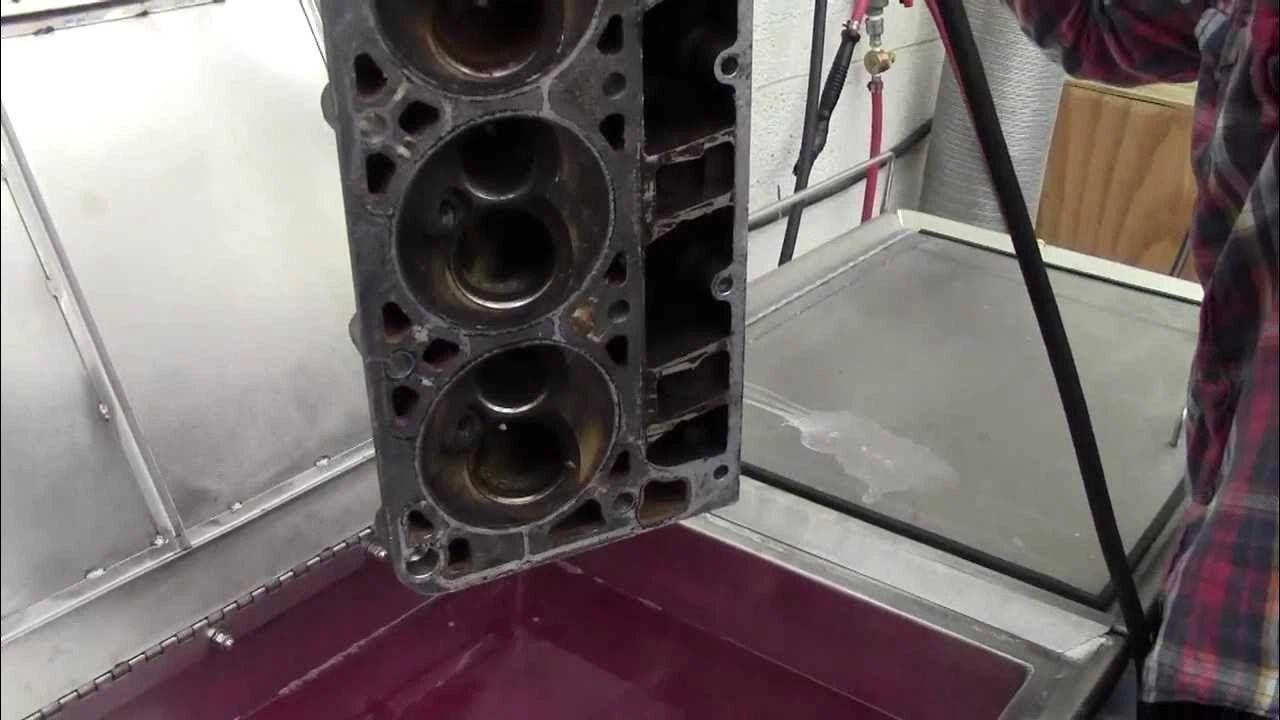
How Dry Ice Blasting and Ultrasonic Cleaning Work
To make the comparison clearer, here's a quick overview of each method in simple terms.
- Dry ice blasting works by shooting small pellets of solid CO2 (dry ice) at high speed onto the surface. When the pellets hit, they instantly turn from solid to gas (a process called sublimation), lifting dirt away without leaving any residue. It's a completely dry method with no leftover mess.
- Ultrasonic cleaning involves placing items in a tank filled with a cleaning liquid. High-frequency sound waves create millions of tiny bubbles that implode, gently scrubbing off contaminants-even in hard-to-reach spots. It's like a powerful, hands-free soak.
Both are non-traditional, environmentally friendlier options compared to harsh chemicals or sanding, but they shine in different situations. This basic understanding of dry ice cleaning principles and ultrasonic cleaning principles helps highlight why one might fit your needs better.
Efficiency Comparison: Which is Faster and More Thorough?
When it comes to getting the job done quickly and effectively, efficiency is often the top priority.
Dry ice blasting stands out for speed in many cases. It allows cleaning without disassembling equipment-you can often do it right on-site. There's no need for drying time afterward, since it's completely dry and leaves no moisture or secondary waste. This makes it excellent for large equipment, complex structures, or internal mold cleaning where downtime needs to be minimal.
Ultrasonic cleaning is highly effective for small batches or intricate parts, reaching into tiny crevices that other methods miss. However, it requires soaking items in liquid, followed by rinsing and drying, which adds time. It's less practical for big or fixed installations.
Dry ice blasting efficiency advantages:
- Faster overall process with less preparation and no drying required
- Ideal for molds and large machinery-reduces production stops
- Thorough removal without residue, perfect for no-drying-needed cleaning
Ultrasonic cleaning efficiency limitations:
- Best for precision small parts, but slower for larger jobs
- Potential liquid residue if not dried properly
In mold cleaning efficiency comparisons, dry ice blasting often comes out ahead for industrial-scale tasks.
Cost Comparison: Which Saves More Money?
Cost is a big factor-both upfront and over time.
Initial investment varies. Dry ice blasting machines can be pricey (often in the higher range for professional models), while ultrasonic systems (tanks and generators) might start lower but scale up for larger industrial setups.
Running costs differ too. Dry ice blasting uses consumables like dry ice pellets, plus compressed air. Ultrasonic cleaning involves cleaning solutions, water/electricity, and regular replacement of liquids-plus waste disposal fees.
Long-term, dry ice blasting can save money by cutting downtime, labor, and no need for waste handling. Ultrasonic may require more frequent solution changes and wastewater treatment.
Here's a simple comparison table:
|
Aspect |
Dry Ice Blasting |
Ultrasonic Cleaning |
|
Initial Equipment Cost |
Higher (professional machines) |
Moderate to high, depending on tank size |
|
Consumables/Running Cost |
Dry ice pellets + air |
Cleaning liquids + water/electricity |
|
Maintenance & Waste |
Low-no secondary waste disposal |
Higher-liquid changes & waste treatment |
|
Downtime/Labor Savings |
Significant reduction |
Moderate, due to soaking/drying |
Overall, for ongoing industrial cleaning, dry ice blasting often proves more cost-effective in the long run, especially when factoring in dry ice cleaning machine prices and reduced stops in production.
Safety Comparison: Which is Safer for Operators and the Environment?
Safety matters-for people, equipment, and the planet.
Dry ice blasting is non-abrasive, non-conductive, and uses no chemicals, making it safe for delicate surfaces and electrical parts. It produces no secondary waste, which is great for the environment. However, it can be noisy (requiring ear protection) and involves handling very cold dry ice (gloves needed to avoid frostbite). Good ventilation is important to avoid CO2 buildup.
Ultrasonic cleaning is generally quieter and avoids extreme cold. But it often uses chemical solutions that could pose risks if mishandled, plus potential hot liquids or waste disposal issues.
Key points:
- Dry ice blasting offers strong safety advantages in non-abrasive, chemical-free cleaning and environmental friendliness
- Ultrasonic may involve chemical exposure or wastewater handling
- Both require proper protective gear, but dry ice emphasizes noise and ventilation precautions
For safe industrial cleaning methods, dry ice blasting is often preferred in settings where no residue or eco-impact is critical.
This covers the core comparison of dry ice blasting vs ultrasonic cleaning in efficiency, cost, and safety. If you'd like the next sections (applicable scenarios, summary table, conclusion, and FAQ), just let me know-we can continue from there!
Application Scenarios: Which Cleaning Method Fits Your Industry Best?
Choosing between dry ice blasting and ultrasonic cleaning often comes down to your specific industry and the type of equipment or parts you're dealing with.
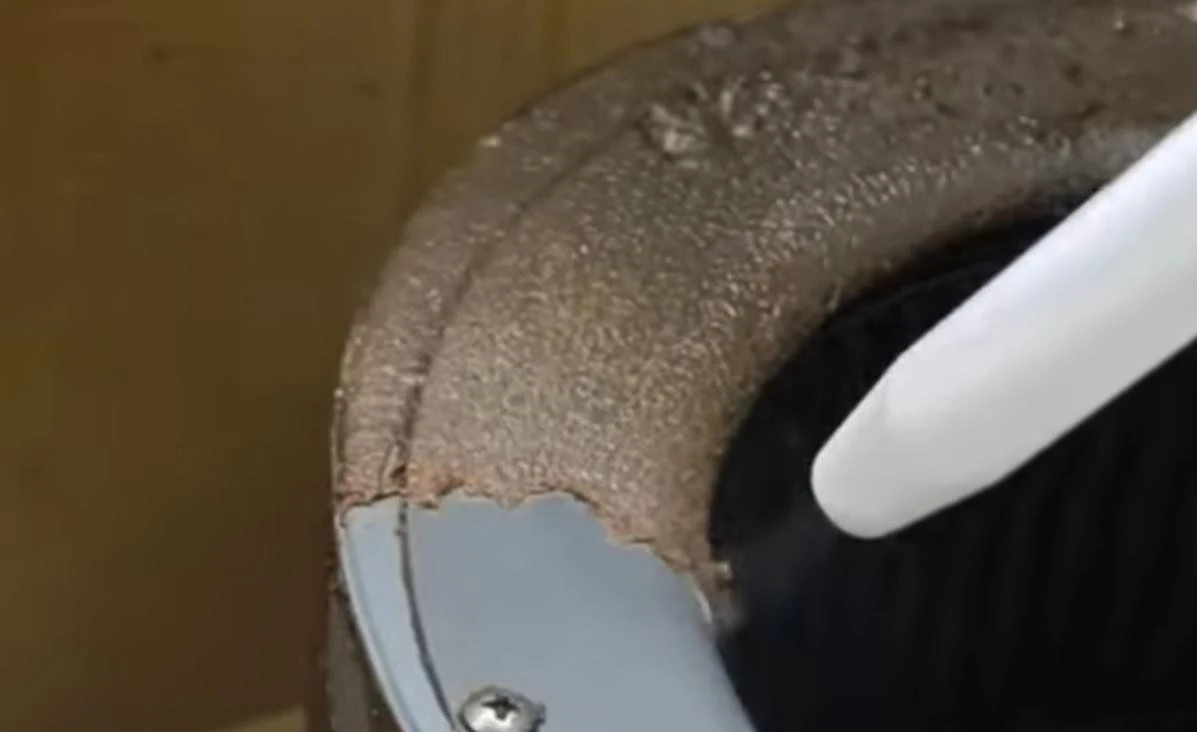
Dry ice blasting excels in scenarios where you need to clean large, complex, or in-place items without disassembly or residue. It's a top recommendation for:
- Mold manufacturing and maintenance – quickly removes release agents and buildup without damaging surfaces.
- Food processing equipment – safe for food-contact surfaces, no chemicals or moisture left behind.
- Automotive repair and heavy machinery.
- Power generation equipment (like turbines or transformers).
- Historical artifact restoration – gentle yet effective on delicate items.
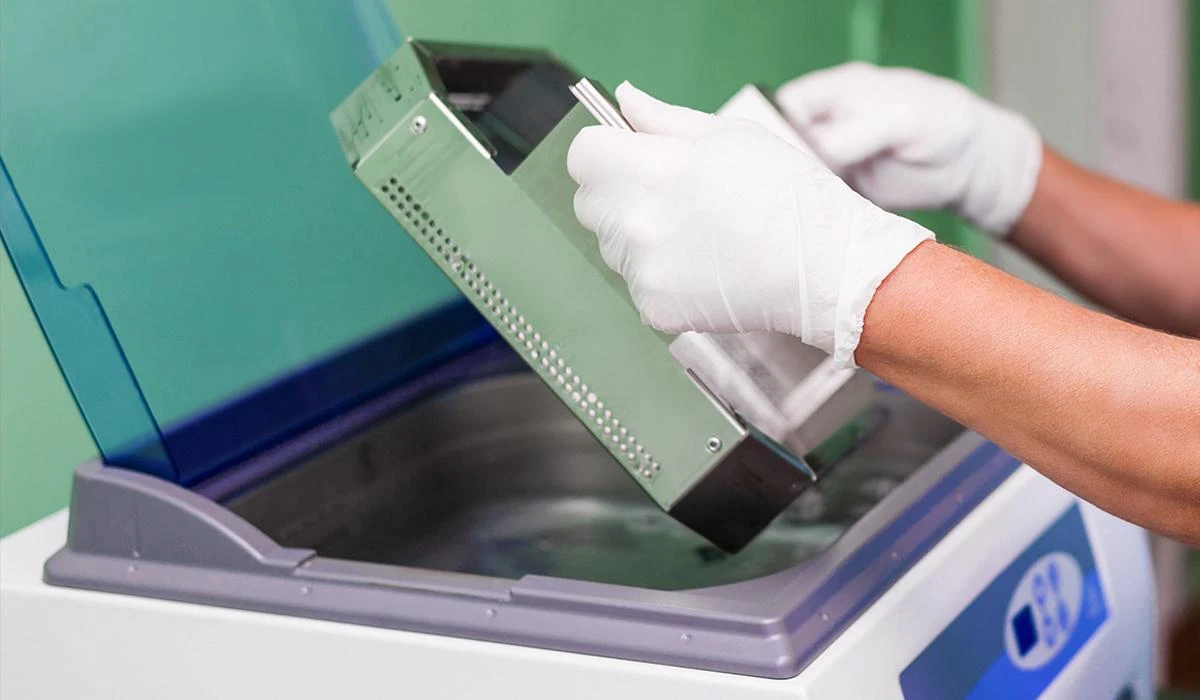
Ultrasonic cleaning is better suited for smaller, detailed work where precision is key:
- Electronics components and circuit boards.
- Medical instruments and devices.
- Jewelry and watches.
- Small precision parts in aerospace or manufacturing.
If your operations involve mid-to-large industrial equipment, dry ice blasting is often the more versatile choice for mold cleaning and other heavy-duty applications.
Summary: Pros and Cons of Dry Ice Blasting vs Ultrasonic Cleaning
Here's a clear overview table highlighting the key differences:
|
Category |
Dry Ice Blasting Advantages/Disadvantages |
Ultrasonic Cleaning Advantages/Disadvantages |
|
Efficiency |
Faster for large jobs; no disassembly or drying needed |
Excellent for intricate details; requires soaking/drying |
|
Cost |
Higher initial; lower long-term due to less downtime/waste |
Lower initial for small setups; higher ongoing liquids/waste |
|
Safety |
Non-abrasive, no chemicals; noisy and requires ventilation |
Quieter; potential chemical/hot liquid risks |
|
Applicability |
Best for large equipment, molds, in-place cleaning |
Ideal for small precision parts |
|
Environmental |
No secondary waste; highly eco-friendly |
Wastewater from liquids; less green if chemicals used |
Overall, dry ice blasting leads in efficiency, environmental impact, and no-residue performance – especially for medium to large industrial setups. Ultrasonic cleaning still holds strong advantages for precision small parts cleaning.
Conclusion
When deciding on the best industrial cleaning method, consider your priorities: If you're looking for high efficiency, strong environmental benefits, and a truly no-secondary-waste solution, dry ice blasting stands out as the superior option for most modern operations.
As a leading manufacturer in China, YJCO2 has been driving innovation in dry ice cleaning technology. We've partnered with over 70 listed companies in China, served more than 3,000 customers total, and are a qualified supplier for Foxconn as well as the only dry ice cleaning provider in China Aerospace Group's electronic supermarket. Our machines are exported to over 20 countries across Europe, Americas, Southeast Asia, and the Middle East, with outstanding feedback from global partners.
- Our flagship YJ-09 industrial dry ice cleaning machine is designed for heavy-duty tasks:
- Compact size (75×56×95cm), 80kg net weight, easy to move on wheels.
- Powerful 500W imported motor for doubled ice output speed and pressure.
- Versatile control: pedal, manual, remote, or IO.
- Benefits include reduced downtime, no equipment damage, safe cleaning of hot surfaces, eliminated solvents, improved worker safety, and overall lower costs with higher production efficiency.

It's perfect for large molds, machinery, boilers, and more.
If dry ice blasting sounds like the right fit, contact us today for a customized quote or a free on-site demonstration. We're here to help you choose the best dry ice cleaning machine for your needs.
FAQ
Which is better: dry ice blasting or ultrasonic cleaning?
It depends on your application. Dry ice blasting is generally better for larger equipment and where no residue or quick turnaround is essential. Ultrasonic shines for small, delicate precision parts.
How much does a dry ice cleaning machine cost?
Prices vary by model and features. Our YJ-09 professional industrial model offers excellent value – reach out for a personalized quote based on your requirements.
Is dry ice blasting noisy? How do you protect against it?
Yes, it can be loud due to the high-pressure air. Standard protection includes ear plugs or muffs, and good ventilation to manage CO2 levels. Operators should also wear gloves for handling dry ice.
Can ultrasonic cleaning remove grease and carbon buildup?
Yes, it's effective for many oils and greases, especially on small parts. However, heavy carbonized deposits on large surfaces may require stronger methods like dry ice blasting.